The Beauty of Arabic Script
Arabic calligraphy is not just writing, it is a powerful visual language rooted in Islamic culture. Each curve and stroke reflects devotion, harmony, and artistic discipline that has evolved over centuries.
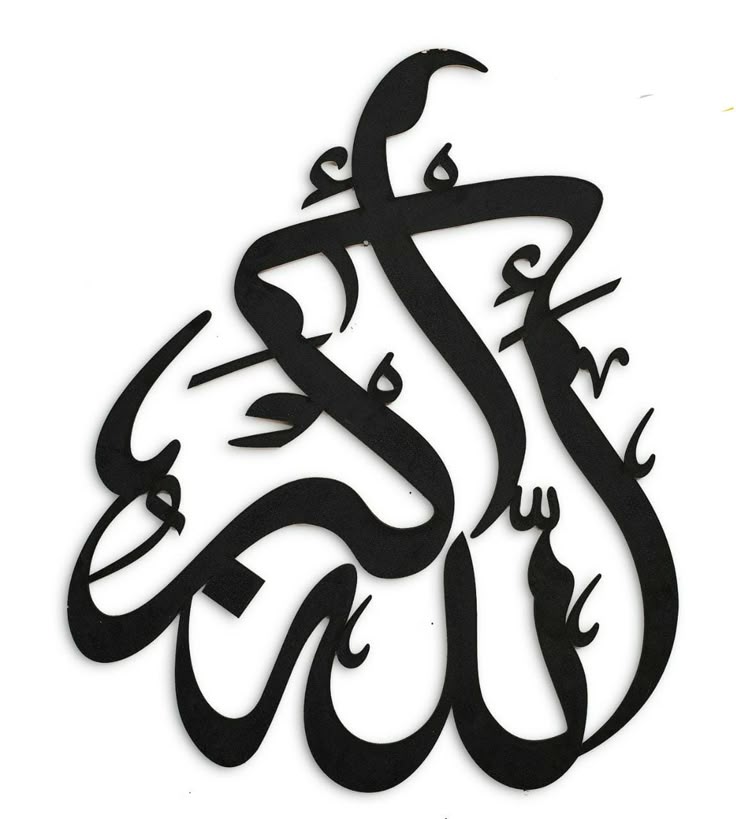
A sacred art form that blends spirituality, elegance, and timeless Islamic heritage.
Arabic calligraphy is not just writing, it is a powerful visual language rooted in Islamic culture. Each curve and stroke reflects devotion, harmony, and artistic discipline that has evolved over centuries.
What makes Arabic calligraphy truly unique
Diwani, Thuluth, Kufic, and Nastaliq scripts represent centuries of artistic excellence.
Often used to write Quranic verses, Arabic calligraphy carries deep spiritual significance.
Today, artists blend digital design with classical calligraphy to create modern masterpieces.
Arabic calligraphy remains one of the most respected visual arts in the Islamic world, preserving faith, history, and culture through elegant design.
.jpeg)
Famous and historically significant Arabic calligraphy scripts
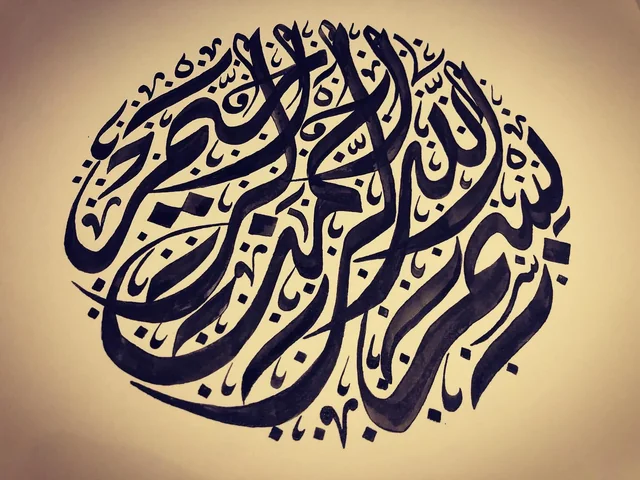
An elegant and decorative Ottoman-era script known for its flowing curves and artistic complexity.
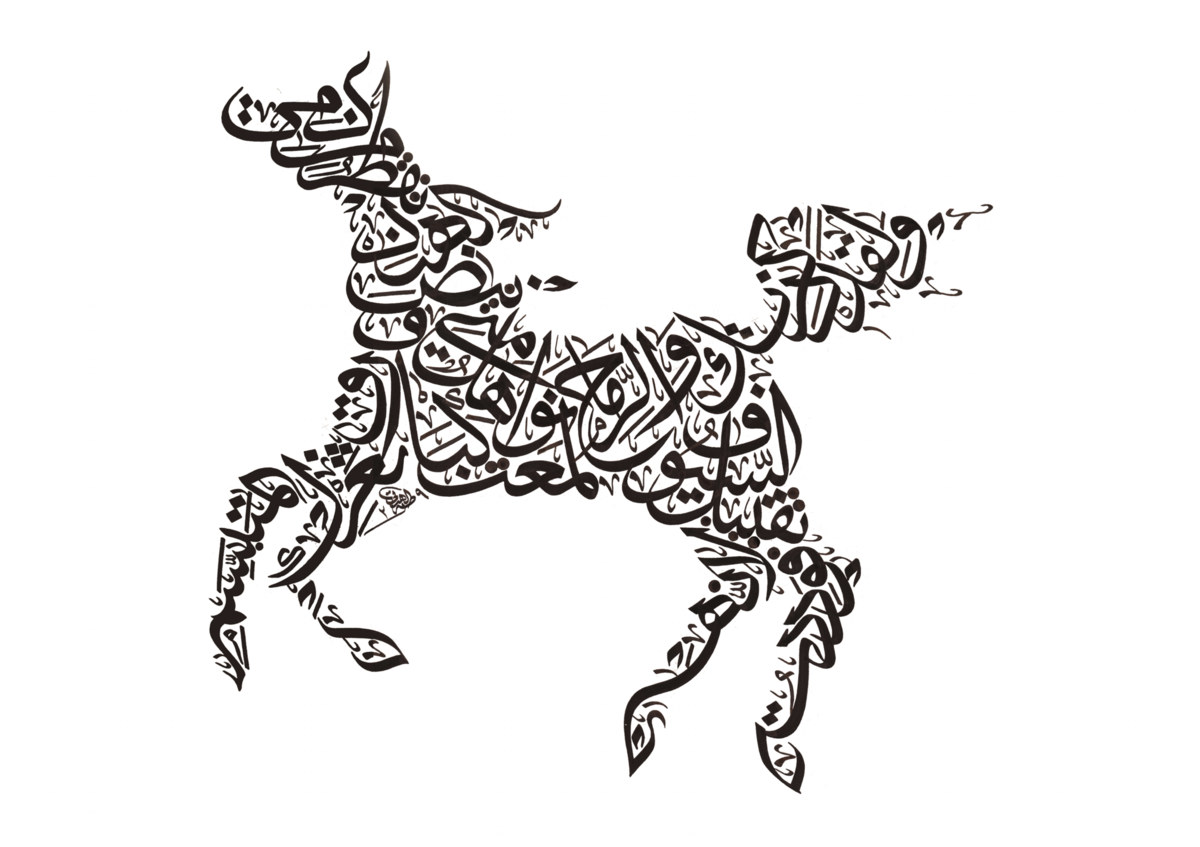
A majestic script widely used in mosque inscriptions, manuscripts, and architectural designs.
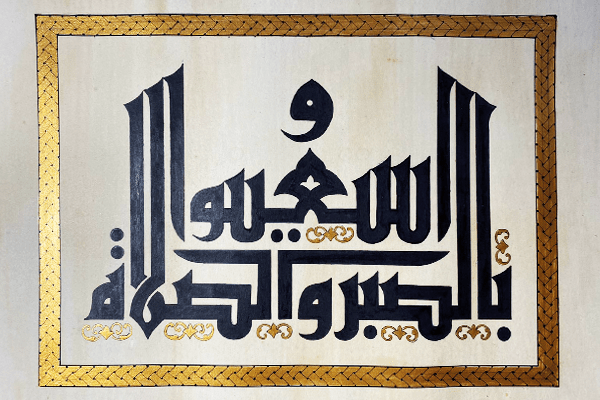
The oldest Arabic script, recognized by its geometric structure and bold visual impact.